Extension Rules in the UK: Are There Local Restrictions?

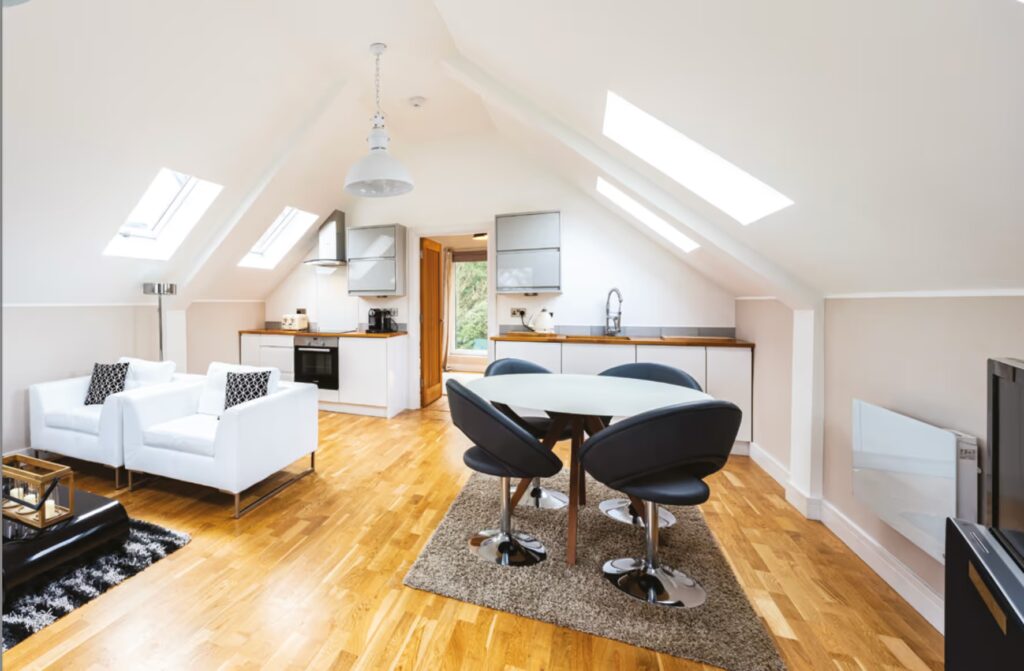
UK extension rules showing local restrictions including conservation areas, Article 4 directions and planning permission requirements

Quick Answer: Yes, there can be local restrictions on house extensions in the UK. Even if an extension appears to meet permitted development rules, local factors may limit or remove those rights. That is why it is important to check both national guidance and local planning constraints before starting.

UK extension rules showing local restrictions including conservation areas, Article 4 directions and planning permission requirements

What Are the Main Rules for House Extensions?

In the UK, extension rules usually fall into two categories:
  • Permitted development rights
  • Planning permission requirements

Permitted development allows some homeowners to extend without making a full planning application, provided the design stays within set limits. These rules cover things like height, depth, width, materials, and how close the extension is to boundaries.

However, permitted development is not a free pass. Your property type, location, and planning history all matter.


What Local Restrictions Can Affect an Extension?

Several local factors can change what is possible.

Conservation Areas

If your home is in a conservation area, stricter controls may apply. Councils often want to protect the character and appearance of the area, which can limit the size, design, materials, and visibility of an extension.

Article 4 Directions

An Article 4 direction allows a local authority to remove certain permitted development rights in a specific area. This means work that might normally be allowed without planning permission could require a full application.

Listed Buildings

If your property is listed, permitted development rights are much more limited. You may need listed building consent as well as planning permission, depending on the work.

Previous Planning Conditions

Some homes have planning conditions attached to earlier approvals. These can remove or restrict permitted development rights, even if neighbouring homes still have them.

Local Design Policies

Councils may also have design guidance that influences what they are likely to approve. This can affect roof forms, materials, glazing, scale, and how an extension relates to nearby properties.

Do Local Councils Have Different Extension Rules?

The core permitted development framework is national, but local councils can influence how rules apply in practice. They do this through planning policy, local constraints, conservation controls, and enforcement.
 
So while the national rules create the baseline, the local context can change what is realistic, acceptable, or lawful.

How Can You Check If Local Restrictions Apply?

Before moving forward, it is sensible to check:
  • Whether your property is in a conservation area
  • Whether an Article 4 direction affects your home
  • Whether the property is listed
  • Whether previous planning approvals removed permitted development rights
  • Whether local design guidance applies

It is also wise to confirm whether a lawful development certificate would be appropriate, even if you believe the work falls under permitted development.

UK extension rules showing local restrictions including conservation areas, Article 4 directions and planning permission requirements

Why a Lawful Development Certificate Matters

A lawful development certificate is not always mandatory, but it can be very useful. It provides formal confirmation from the council that your extension is lawful under permitted development. This can help avoid disputes later and may be useful when selling your home.

Common Mistakes Homeowners Make

Many homeowners assume that if a neighbour built something similar, the same rules apply to them. That is not always true. Restrictions can vary from one property to another based on planning history, location, and legal status.
 
Other common mistakes include:
  • Relying on generic online advice
  • Ignoring local design guidance
  • Assuming permitted development rights still exist
  • Starting work before checking building regulations requirements
  • Overlooking party wall matters

When Should You Get Professional Advice?

Professional advice is especially valuable if:
  • Your property is in a sensitive area
  • You are unsure whether permitted development rights apply
  • You want to avoid delays or redesign costs
  • You need clarity before investing in drawings and build costs

A clear review at the start can save time, money, and stress later.

FAQs

Are extension rules the same everywhere in the UK?

No. National permitted development rules create a general framework, but local restrictions such as conservation areas, Article 4 directions, listed building controls, and planning conditions can affect what is allowed.

Can local councils override permitted development rights?

In some cases, yes. Local councils can remove certain permitted development rights through Article 4 directions or planning conditions attached to a property.

Do I need planning permission if my extension is allowed under permitted development?

Not always, but you still need to confirm that permitted development rights apply to your property. Building regulations approval may also be required.

How do I know if my house has local restrictions?

You need to check the planning status of the property, whether it is in a conservation area, whether Article 4 applies, and whether any previous planning conditions affect the site.

Is a lawful development certificate worth getting?

Yes, in many cases. It gives formal confirmation that the work is lawful and can help reduce risk during the project and when selling the property later.

UK extension rules showing local restrictions including conservation areas, Article 4 directions and planning permission requirements
If you are asking whether extension rules in the UK come with local restrictions, the answer is yes. National rules are only part of the picture. Local planning controls, property history, and site-specific constraints can all affect what you can build.
 
The safest approach is to check the local position early, before committing to design or construction. That way, you can move forward with confidence and avoid expensive surprises.
Scroll to Top