
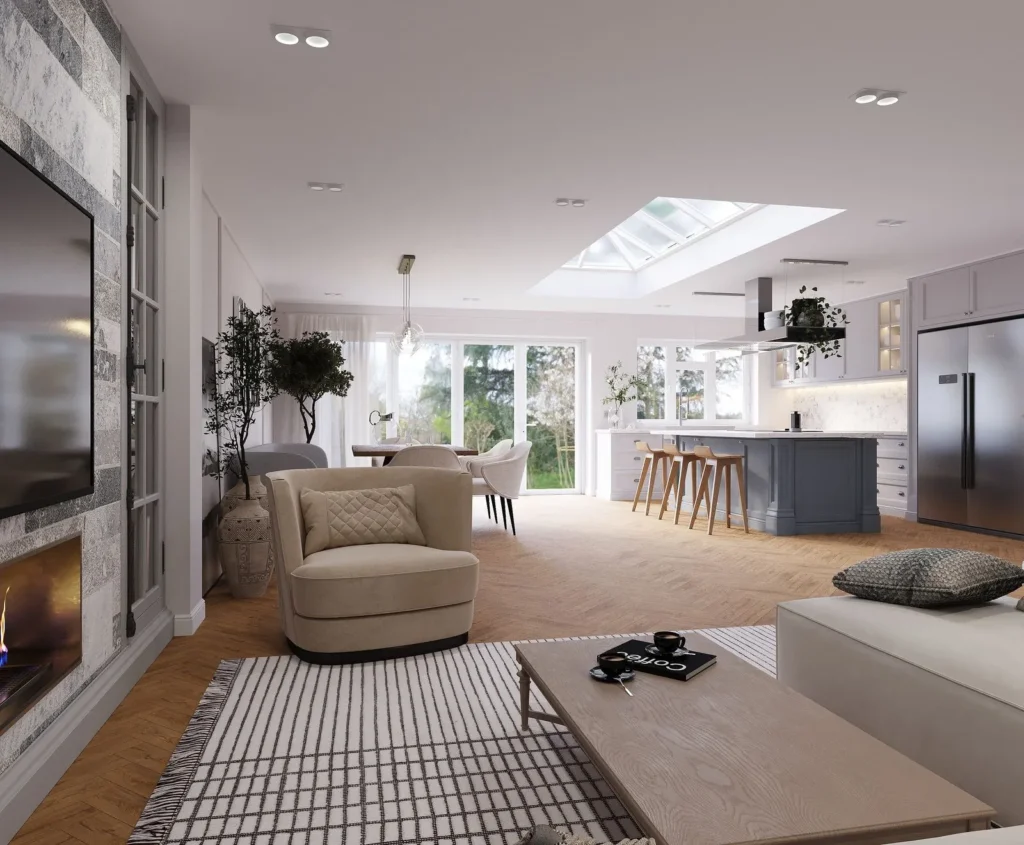
What Is the 45 Degree Rule for Extensions?
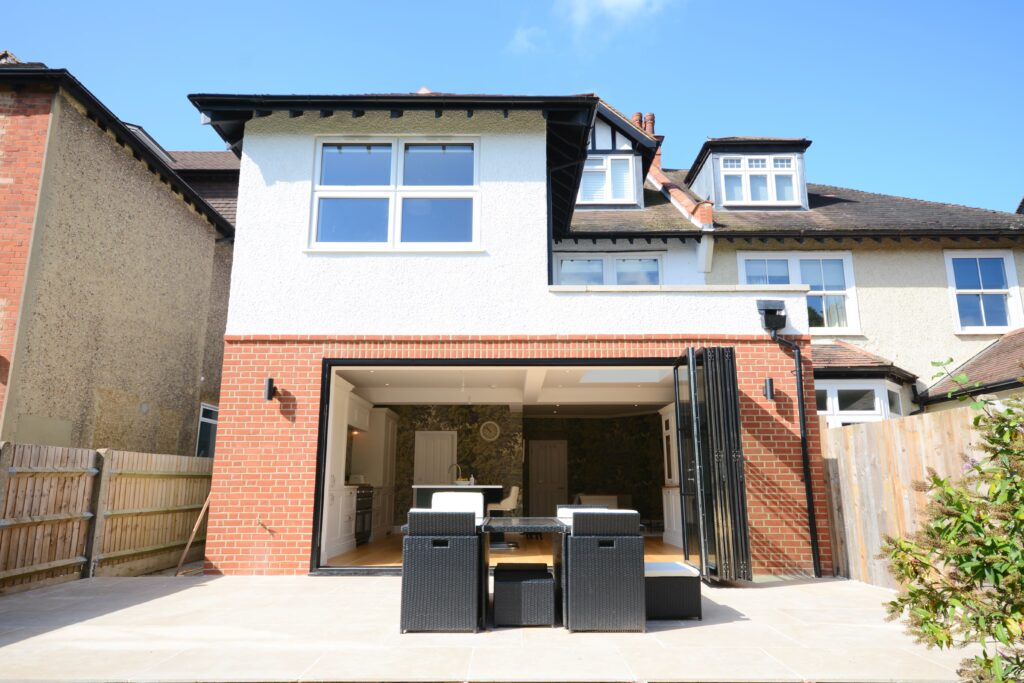
What Is the 3 Metre Rule for House Extensions?
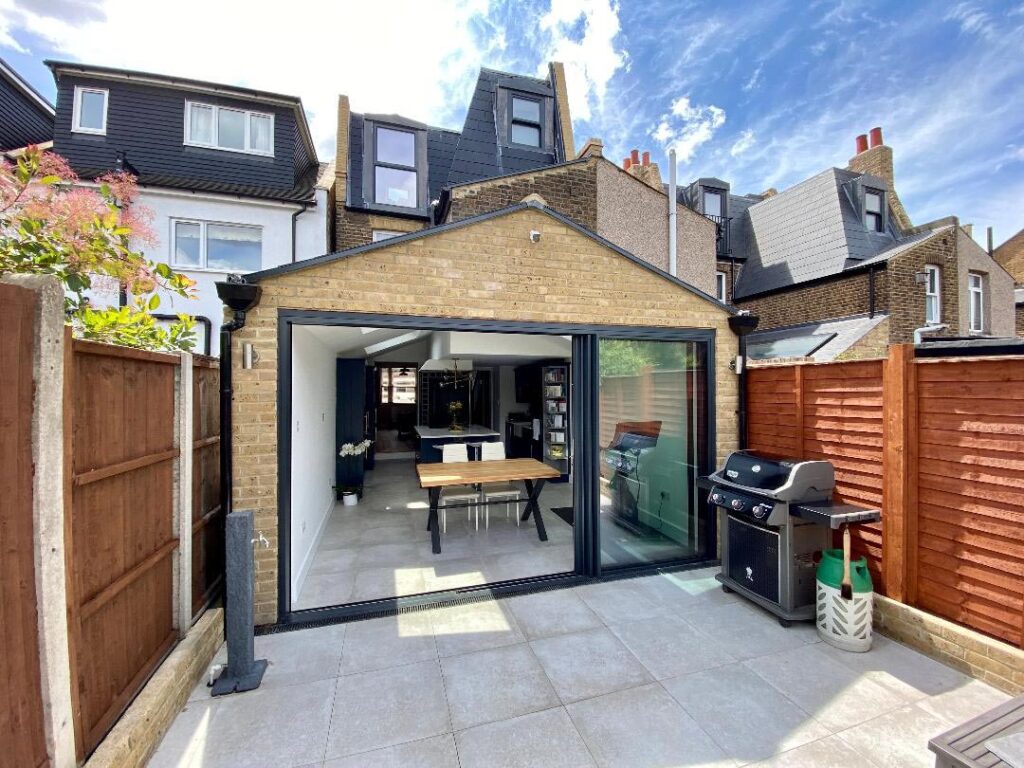
What Is the 6 Metre Rule Under Permitted Development?
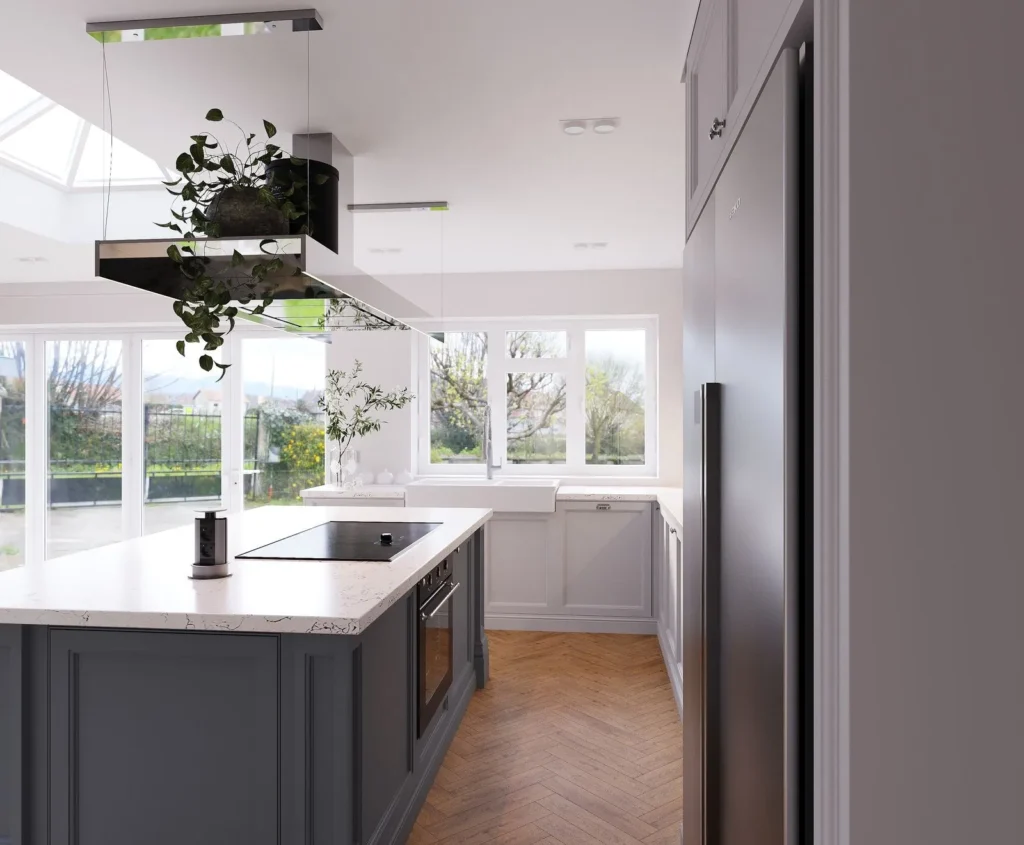
Why These Rules Matter
Common Mistakes Homeowners Make
- Confusing planning guidance with permitted development limits
- Assuming all houses have the same rights
- Ignoring previous extensions or planning conditions
- Forgetting about neighbour impact
- Starting design work before checking the rules properly
These mistakes can lead to redesign fees, delays, neighbour disputes, and missed opportunities to create a better-quality extension.
How to Approach an Extension Properly
- Whether permitted development rights still apply
- Whether the property is terraced, semi-detached, or detached
- Whether prior approval is needed
- Whether the design could raise neighbour concerns
- Whether a lawful development certificate would be sensible
For homeowners investing in a premium extension, the goal should not just be to stay within the rules. It should be to create a design that adds space, improves the way the home works, and protects long-term value.
FAQs
Is the 45 degree rule a legal requirement?
Not exactly. It is usually a planning guideline used by councils to assess neighbour impact, rather than a fixed national permitted development rule.
Does the 3 metre rule apply to every house?
No. It commonly applies to certain single-storey rear extensions on terraced and semi-detached houses, but the exact position depends on the property and whether permitted development rights remain in place.
Can I build 6 metres without planning permission?
In some cases, yes, but it may require prior approval under permitted development. It is not something to assume without checking first.
Do local councils interpret these rules differently?
The permitted development framework is national, but local planning context, design guidance, and neighbour considerations can still affect outcomes.
What is the safest way to avoid problems?
The safest approach is to get professional advice early, confirm the planning route, and make sure the design works both technically and practically.