
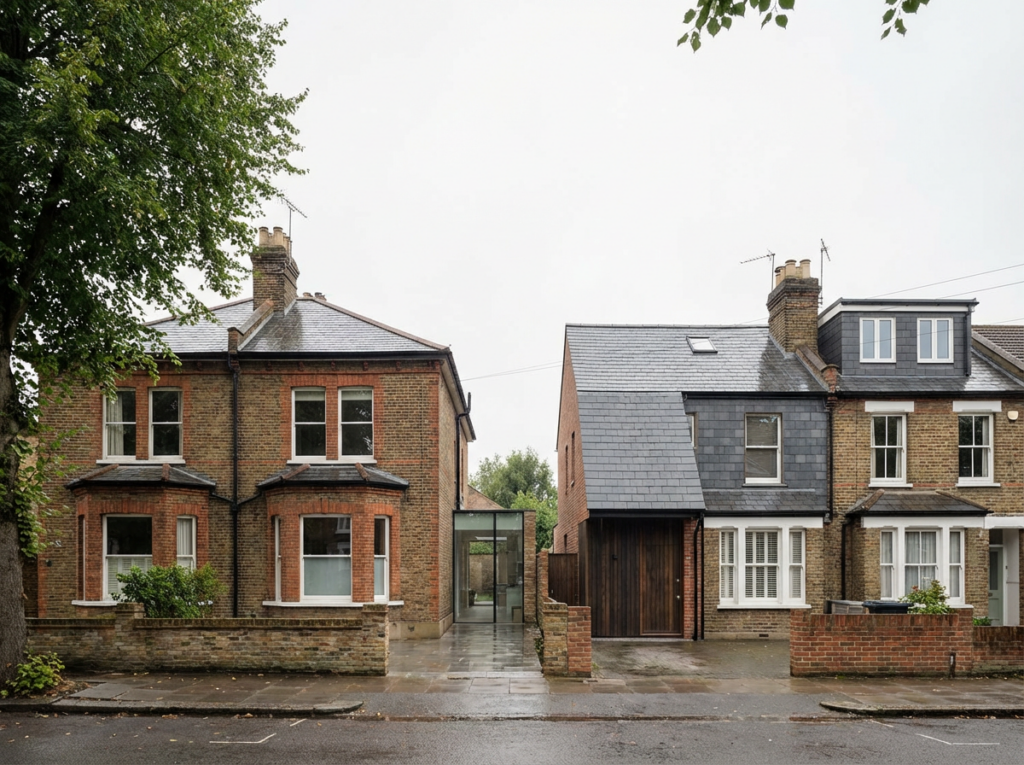
Why This Matters Before You Design Anything
What Is Permitted Development?
Do Permitted Development Rules Differ by House Type?
Permitted Development Rules for Detached Homes
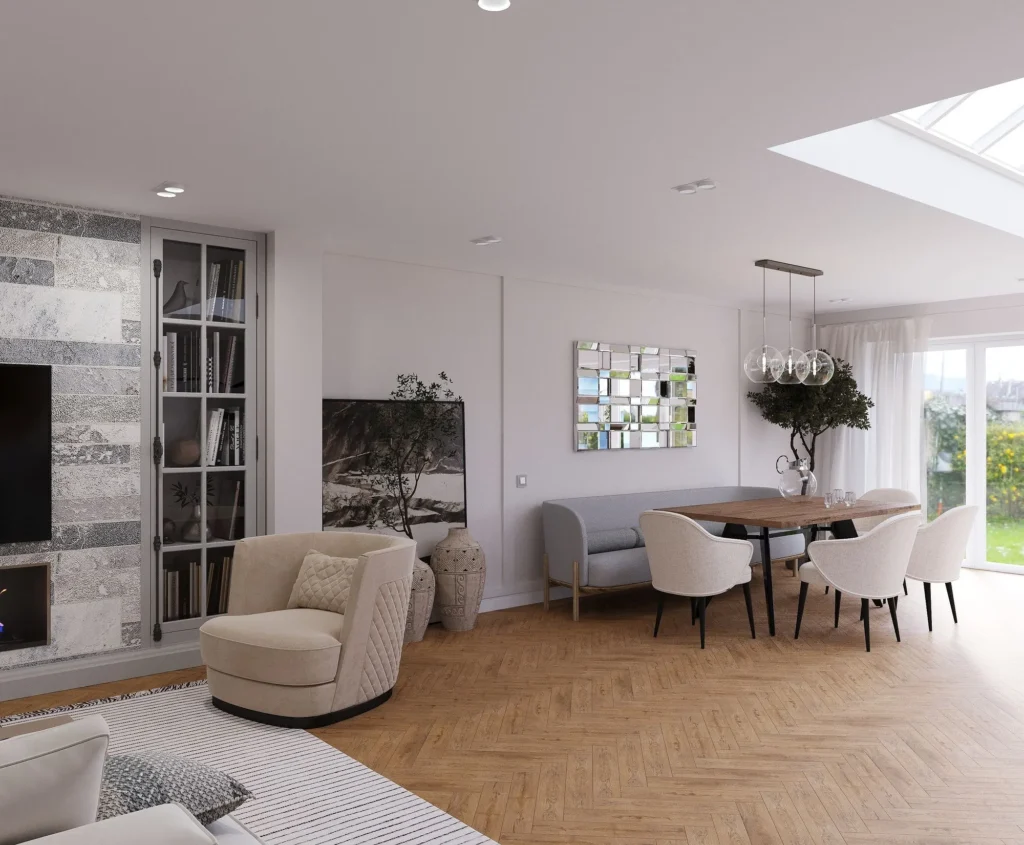
- The size of the original house
- The cumulative impact of previous extensions
- Height restrictions
- Materials that should be similar in appearance to the existing home
- Location-based restrictions such as conservation areas or Article 4 directions
For premium detached homes, the real opportunity is not just to build bigger. It is to create a layout that improves the way the home lives, entertains, and holds value over time.
Permitted Development Rules for
Semi-Detached Homes
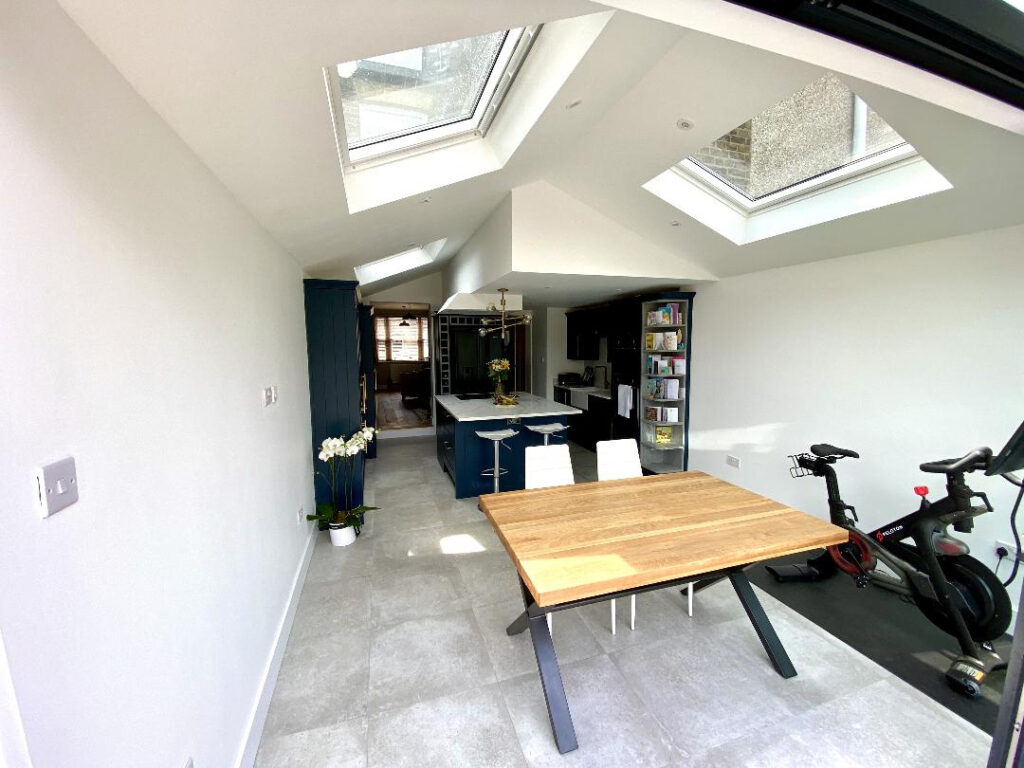
- Rear extension depth
- Side extension width and height
- Overshadowing and outlook
- Prior approval requirements for larger home extensions
- Party wall implications
A well-designed semi-detached extension can transform the home and add significant value, but poor decisions can quickly create planning friction or neighbour objections.
Permitted Development Rules for Terraced Homes
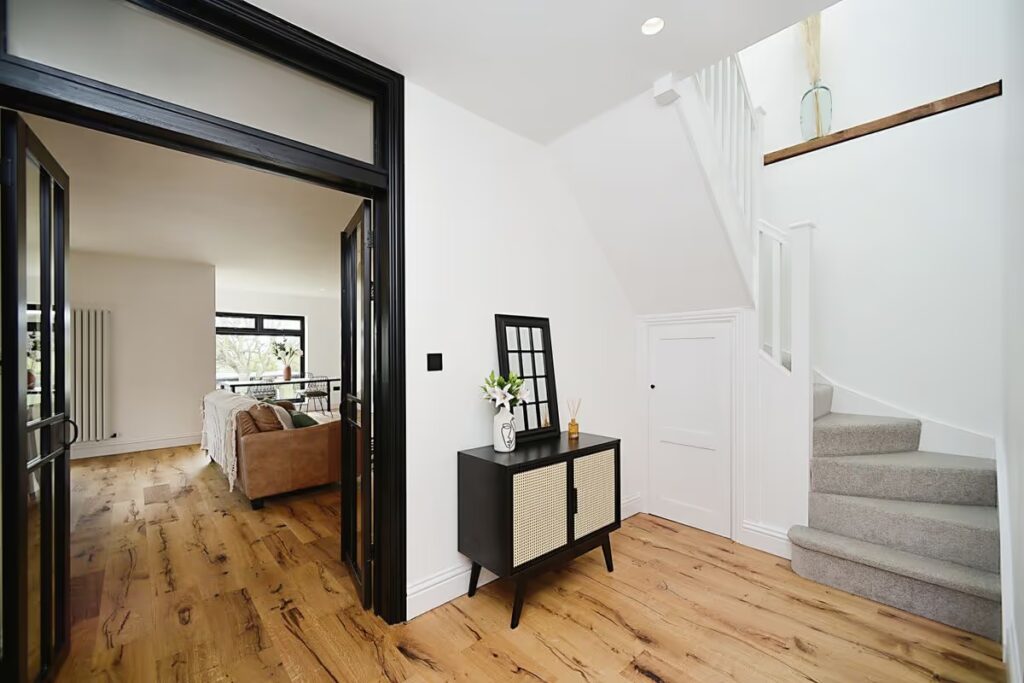
- Rear extension depth and height
- Proximity to adjoining homes
- Privacy and daylight impact
- Roof alterations and dormer design
- Buildability and site access
On terraced homes, the best projects are rarely the ones that chase maximum size. They are the ones that use space intelligently and improve the quality of everyday living.
What Can Remove or Limit
Permitted Development Rights?
- Previous extensions already using the available allowance
- Planning conditions attached to earlier approvals
- Conservation area restrictions
- Article 4 directions
- Listed building status
- Local limitations affecting specific sites or estates
This is why online advice should only ever be a starting point. Before investing in design or construction, the property itself needs to be checked properly.
Common Homeowner Mistakes
- Assume their neighbour’s extension means they can do the same
- Confuse permitted development with guaranteed approval
- Ignore the planning history of the property
- Focus only on square footage rather than layout and value
- Treat compliance as the finish line instead of the starting point
For high-end projects, these mistakes can become expensive very quickly.
How to Maximise Value, Not Just Space
- What does this property type genuinely support?
- Is permitted development the best route, or would planning permission unlock a better outcome?
- Will the extension improve flow, light, and usability?
- Will it feel proportionate to the existing house?
- Will it strengthen long-term resale value?
This is where an integrated design and build approach becomes especially valuable. When planning knowledge, technical design, and construction thinking are aligned from the start, the result is usually smoother, faster, and more commercially sensible.
FAQs
Do detached homes have more permitted development rights than terraced homes?
Not necessarily in pure legal terms, but detached homes often have more physical flexibility because they usually sit on larger plots with more space around them.
Can you extend a semi-detached house under permitted development?
Yes, in many cases. The design still needs to comply with the relevant limits, and neighbour impact is often more important than homeowners expect.
Are terraced homes harder to extend under permitted development?
They can be. Terraced homes often have tighter plots, closer neighbours, and more practical construction constraints, which makes careful design more important.
Do previous extensions affect permitted development rights?
Yes. Previous additions can reduce or remove the remaining allowance, which is why checking the planning history is essential.
Is a lawful development certificate worth getting?
In many cases, yes. It provides formal confirmation that the proposed work is lawful, helping reduce risk during the project and when selling the property later.