
If you want to add space and increase the value of your home, both a loft conversion and a rear extension can be smart investments. In many cases, a loft conversion offers a strong return because it adds an extra bedroom with less impact on garden space. A rear extension can add just as much appeal when it creates a larger kitchen, dining area, or family room that suits modern living.
Quick Answer
There is no one-size-fits-all answer. A loft conversion often adds excellent value when your home needs another bedroom or bathroom. A rear extension can add more value when your current layout feels cramped and buyers would pay more for open-plan living space. The best option depends on your property type, budget, ceiling height, plot size, and long-term goals.
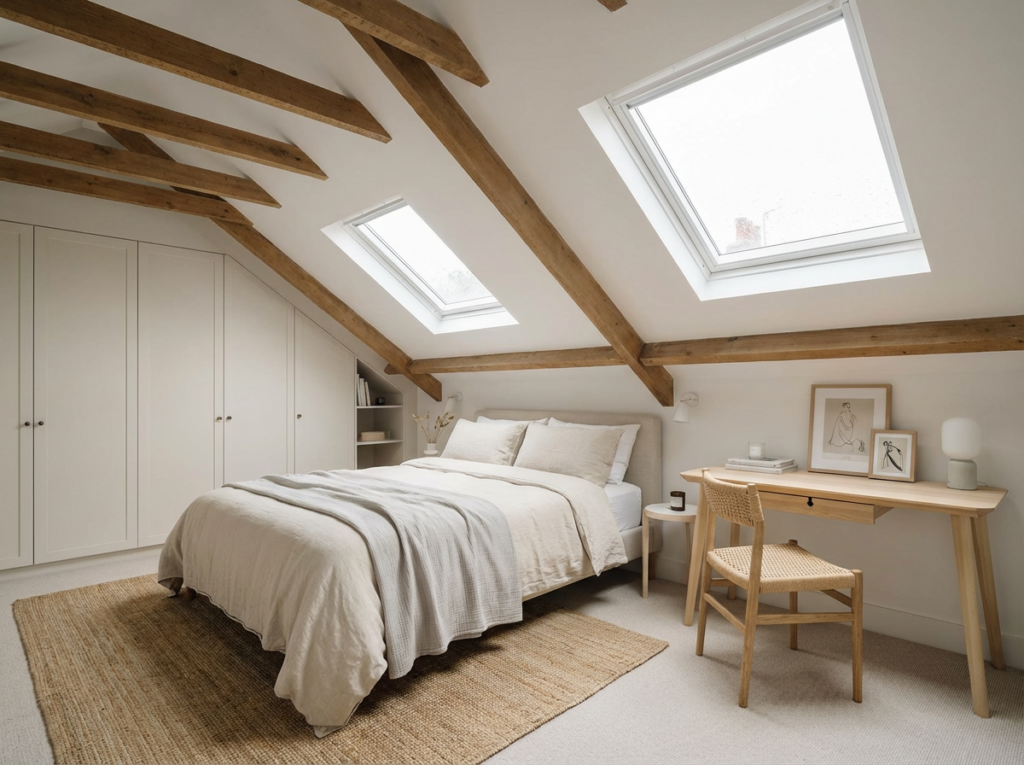
How a Loft Conversion Adds Value
- Add an extra bedroom
- Create a main suite with an en-suite
- Improve value without extending outward
- Keep more outdoor space
For many buyers, an extra bedroom can make a home more attractive, especially in family areas where space is at a premium.
How a Rear Extension Adds Value
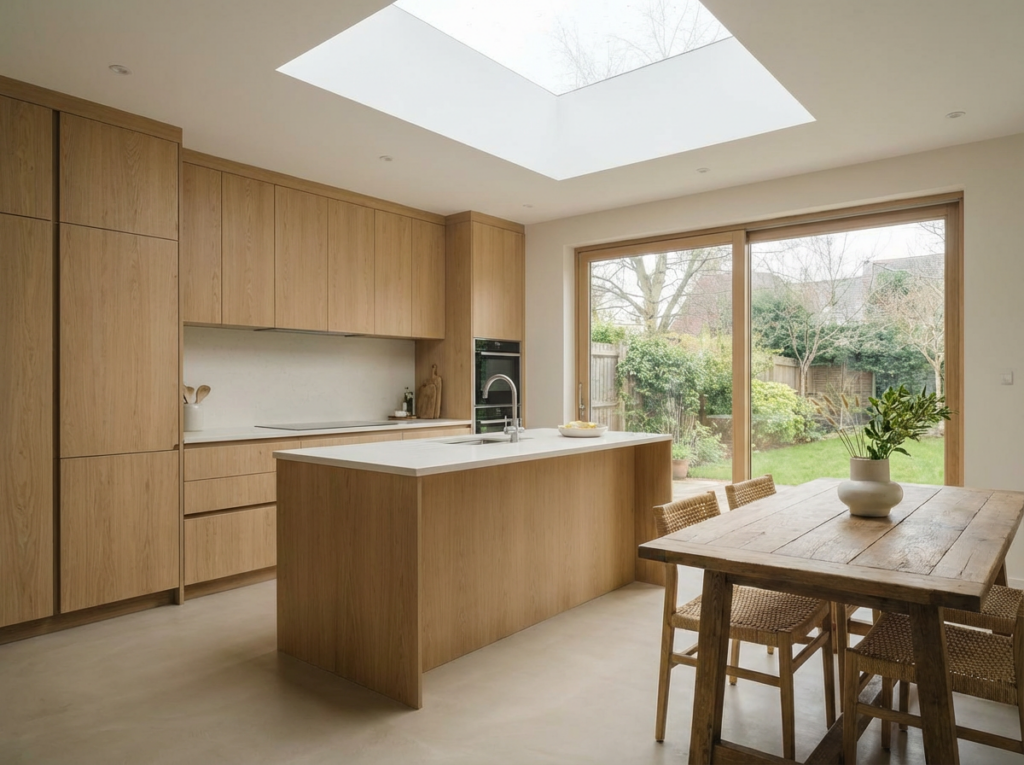
- Create a bigger kitchen
- Improve flow between rooms
- Add more natural light
- Make the home feel more social and modern
This option is often popular with homeowners who love their location but feel their current layout no longer works.
Which Option Usually Adds More Value?
- Choose a loft conversion if bedroom count is the main opportunity
- Choose a rear extension if living quality and layout are the main issue
The highest value comes from choosing the improvement that fits your home and local buyer demand.
Cost Comparison
- Design costs
- Structural work
- Build complexity
- Interior finishes
- Building regulations requirements
The cheapest option is not always the best-value option if it does not solve the right problem.
Planning Permission and Permitted Development
- Whether permitted development rights still apply
- Whether a lawful development certificate is advisable
- Whether building regulations approval is required
- Whether party wall matters may apply
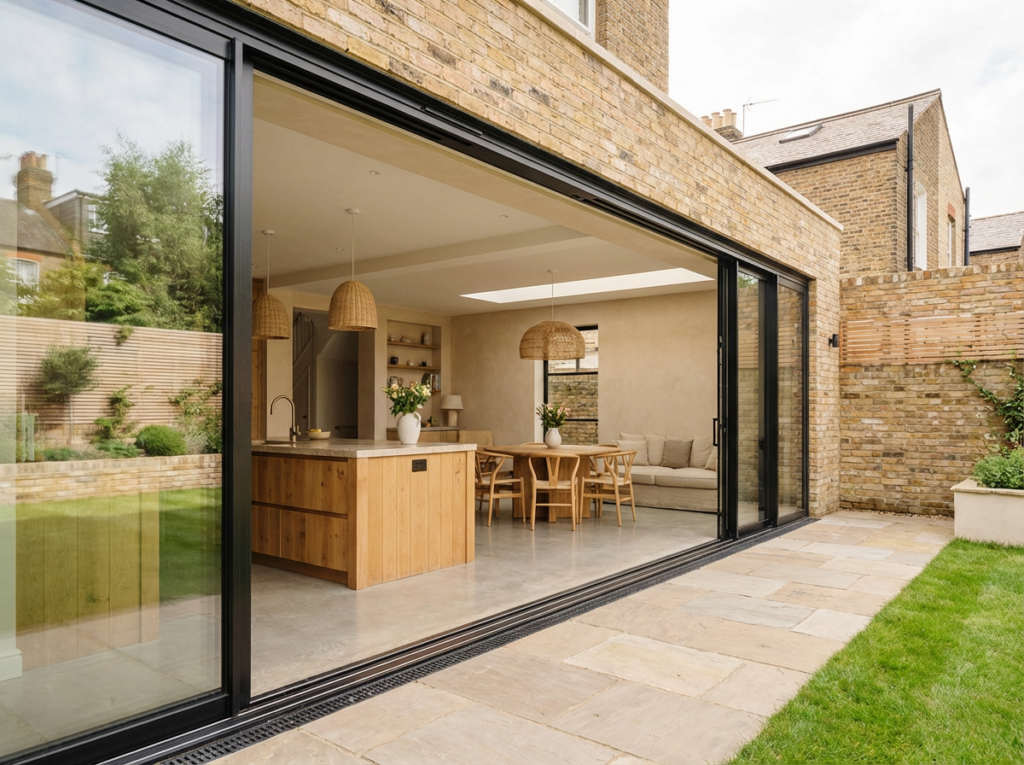
Which Is Less Disruptive?
How to Choose the Right Option
- You need another bedroom
- Your loft has suitable head height
- You want to preserve garden space
Choose a rear extension if:
- You want a larger kitchen or family room
- Your ground floor layout feels outdated
- You have enough outside space to build into
If possible, base the decision on how you live now and what future buyers in your area are likely to value most.
FAQs
Does a loft conversion add more value than a rear extension?
Sometimes. A loft conversion can add more value if it creates an extra bedroom in an area where bedroom count strongly affects price. A rear extension can add more value if buyers want larger, open-plan living space.
Is a rear extension worth the money?
Yes, if it improves the way your home functions and makes the layout more appealing. It can be especially worthwhile when a small kitchen or poor ground floor layout is holding the property back.
Is it cheaper to build up or build out?
It depends on the property. Building up with a loft conversion can be more efficient if the roof structure is suitable. Building out with a rear extension may cost more if it involves extensive foundations, steelwork, or drainage changes.
Do you need planning permission for a loft conversion or rear extension?
Not always. Some projects fall under permitted development, but many factors affect eligibility. It is important to check the rules before starting.
Which is better for family living?
A rear extension is often better for everyday family life if you want a bigger shared living area. A loft conversion is often better if you need more bedrooms or a quieter private suite.
