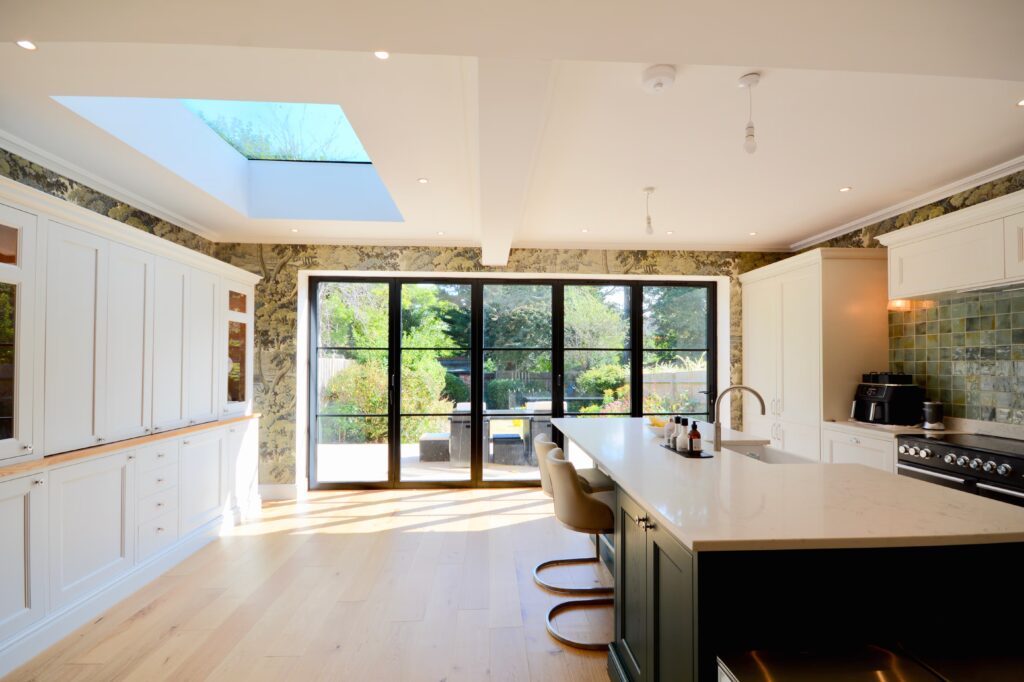
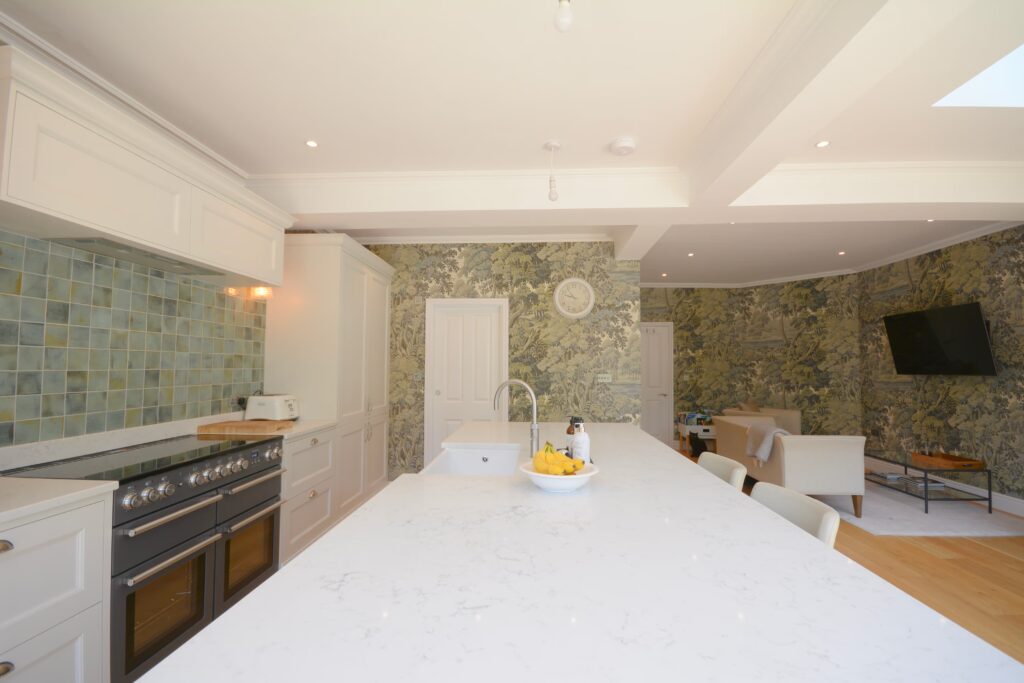
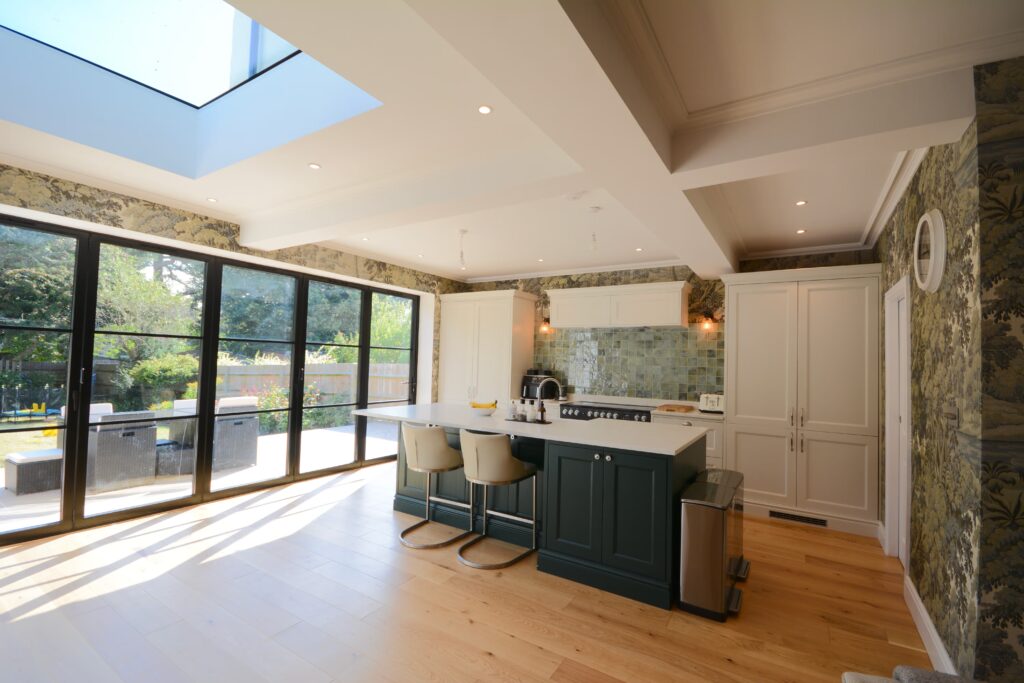
What Is a Single-Storey Extension?
Do You Always Need Planning Permission?
- Depth
- Height
- Width
- Position
- Materials
- Previous additions to the house
- Local planning restrictions
This is why the answer is never based on one rule alone. It depends on the full picture.
What Does Permitted Development Mean?
The Main Single-Storey Extension Rules
Explained Simply
1. Depth Matters
One of the first things checked is how far the extension projects from the rear wall of the original house. This is especially important for rear extensions and can vary depending on the type of property.
2. Height Matters
Even a single-storey extension can create issues if it is too tall, particularly near a boundary. Eaves height and overall roof design both matter.
3. Side Extensions Need Extra Care
If the extension goes to the side of the house, the rules are often tighter. Side extensions need careful design because they can affect the appearance of the house and the street scene.
4. Materials Should Usually Match
In many cases, the materials should be similar in appearance to the existing house. This is important for compliance, but it also helps the extension feel like a natural part of the property.
5. Previous Extensions Count
If the house has already been extended, that can reduce the remaining permitted development allowance. This is one of the most common things homeowners overlook.
6. Local Restrictions Can Change Everything
Some homes are in conservation areas, some are listed, and some are affected by Article 4 directions or planning conditions. These can all remove or limit permitted development rights.
Why Homeowners Get Caught Out
- Assuming a neighbour’s extension means the same design is allowed next door
- Looking only at size, not planning history
- Starting design work before confirming the planning route
- Focusing on what is possible rather than what adds the most value
For higher-value homes, these mistakes can become expensive very quickly.
How to Approach a Better Extension
- How the new space improves flow and function
- Whether it brings in more natural light
- Whether it feels proportionate to the existing house
- Whether permitted development is truly the best route
- How the design will affect long-term resale value
This is where a joined-up design and build approach can make a real difference. When planning, design, and construction are considered together from the beginning, the result is usually smoother and more commercially sensible.

Is a Lawful Development Certificate Worth Getting?
FAQs
Can I build a single-storey extension without planning permission?
Yes, in many cases. A single-storey extension can often be built under permitted development rights if it complies with the relevant limits and no local restrictions apply.
Do all single-storey extensions fall under permitted development?
No. Some extensions require prior approval or full planning permission depending on the property, the design, and the local planning context.
Do previous extensions affect what I can build?
Yes. Previous additions can reduce or remove the remaining permitted development allowance, which is why planning history matters.
Are side extensions harder to do under permitted development?
Often, yes. Side extensions usually need more careful design because the rules can be tighter than for rear extensions.
Should I get a lawful development certificate?
In many cases, yes. It provides formal confirmation that the proposed work is lawful, which can reduce risk during the project and later when selling the property.